
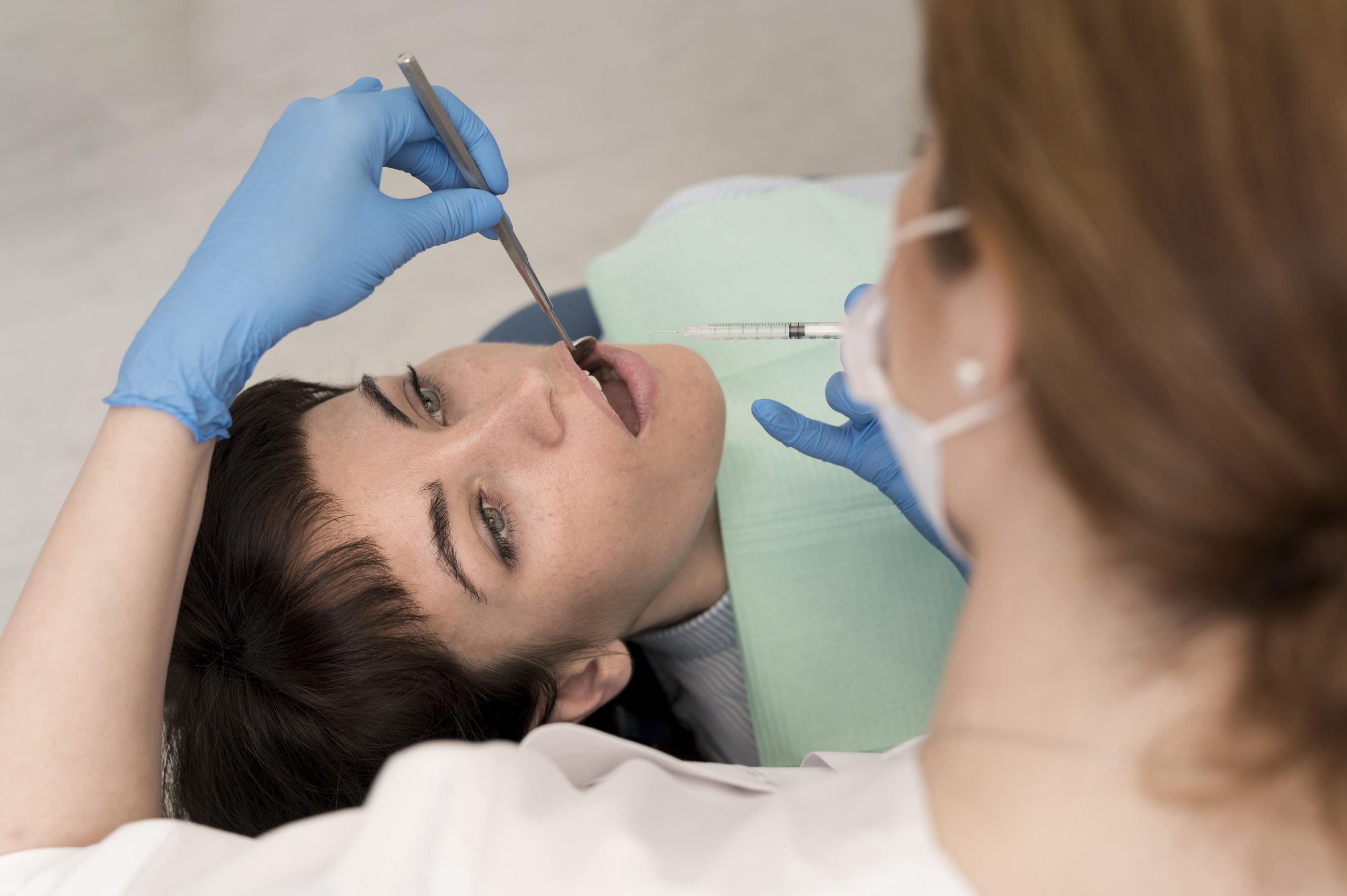
Dental anxiety can range from mild uneasiness to fear that makes it difficult to attend an appointment. Sedation dentistry in SE Calgary may be recommended when anxiety affects dental care, but no single method is right for everyone. Nitrous oxide, prescribed oral medication and intravenous (IV) sedation differ in administration, intended level of relaxation and recovery precautions.
Medical history, medications, procedure length, and local availability all matter. Before considering any sedation method, you need a clinical consultation, and you should confirm available options directly with the clinic. Availability can vary by clinic and clinician.
Start by understanding what causes the anxiety.
People experience dental anxiety for different reasons. Some are concerned about needles, sounds, gagging, or loss of control. Others may have had a difficult experience, feel uneasy about injections, or find long appointments overwhelming. Identifying the main trigger helps the clinician decide whether sedation is necessary or whether another adjustment may make treatment more manageable.
Before considering dental anxiety sedation, it may help to discuss appointment pacing, a clear stop signal, explanations before each step, shorter visits, or dividing treatment into stages. These measures are enough for some people, while others may need an additional approach.
What are the main types of dental sedation?
The available method depends on the clinician’s training, authorizations, facility requirements, and the patient’s health. The types of dental sedation below are general descriptions, not a recommendation for a particular person.
- Nitrous Oxide — Nitrous oxide is inhaled through a small mask placed over the nose. It is commonly used for lighter sedation and may help a person feel more relaxed while remaining responsive. The effect generally wears off relatively quickly after administration stops, but the clinician determines when it is safe to leave or resume usual activities.
- Oral Sedation — Oral sedation involves medication prescribed for a specific appointment and taken only according to the clinician’s instructions. Its effect can vary by person and may last beyond the dental procedure. Explain recovery arrangements, supervision, and restrictions in advance.
- IV Sedation — IV sedation is administered through a cannula placed in a vein by qualified personnel. The level can be adjusted according to the protocol and clinical response. It requires appropriate monitoring and usually involves an escort home and recovery precautions.
Nitrous Oxide vs. Oral vs. IV Sedation
The comparison between nitrous oxide vs. oral vs. IV sedation is not simply a ranking from mild to strong. Each method has different practical and clinical requirements. Nitrous oxide is inhaled and tends to wear off more quickly. Oral medication may have a less predictable onset and duration, while IV delivery allows the clinician to adjust the level according to the protocol.
The amount of relaxation, awareness and memory varies with the method, medication, dose and individual response. Sedation is not the same as general anesthesia, and local anesthetic may still be needed to block pain in the treatment area. The clinician should explain the intended level and what you may experience.
What factors help determine the suitable option?
A sedation dentist in SE Calgary will review several factors before recommending a method. These may include:
- Medical History — Breathing, heart, liver, or other health conditions may affect suitability and monitoring needs.
- Medication and Allergies — Prescription medicines, supplements, allergies, and previous reactions can influence the plan.
- Anxiety Triggers — Fear of needles, difficulty remaining still, gag reflex or previous dental experiences may affect which approach is considered.
- Procedure Requirements — Treatment length, complexity, and the need for local anesthetic are relevant.
- Recovery Arrangements — Some methods require an escort, time away from work or school, and restrictions on driving or other activities.
What should you know about safety and recovery?
Sedation must be planned and monitored according to the method used and the clinician’s qualifications. The patient should receive clear preparation instructions, including whether food, drink, or regular medication needs special consideration. Do not change medication or fasting routines independently; follow the instructions given for the specific appointment.
After oral or IV sedation, alertness and coordination may remain affected, so a responsible adult may need to accompany the person home. Driving and other activities may be restricted. Nitrous oxide generally has a shorter recovery period, but the clinician must still confirm when it is safe to leave and resume normal activities.
Confirm the available modalities, clinician qualifications, and monitoring arrangements directly before making an appointment.
What if the clinic does not offer sedation?
Not every dental clinic provides every sedation method. Even when sedation is not available, anxiety may be managed through communication, shorter appointments, planned breaks, a familiar support person when permitted, or a staged treatment schedule. These approaches do not replace sedation in every circumstance, but they may make dental care more manageable.
Sedation options near you in Calgary vary by clinic, including qualifications and availability. Confirm what is currently offered, who is authorized to administer it, and what monitoring or recovery arrangements are in place before deciding.
Choose a plan that respects your level of anxiety
The most suitable approach depends on your health, the planned procedure and what makes dental treatment difficult for you. A clear discussion can help identify practical comfort measures and establish whether a sedation method is available and clinically appropriate.
Book a consultation with Heritage Smiles Dental to discuss dental anxiety and confirm the comfort measures currently available. You deserve a clear explanation of the options before deciding how to proceed.
FAQs
What are the main types of dental sedation?
Common approaches include nitrous oxide inhalation, prescribed oral medication, and intravenous sedation. They differ in delivery, intended effect, monitoring, and recovery precautions. Not every clinic offers every method, and suitability depends on your medical history and the procedure. The decision is individual.
Is nitrous oxide lighter than oral or IV sedation?
Nitrous oxide is generally used for lighter sedation, while oral and IV methods can produce a wider range of effects depending on the protocol. This isn’t a simple ranking; the intended level, health factors, and monitoring arrangements matter. The appropriate plan is individual.
Will I be asleep during dental sedation?
Not necessarily. Many sedation methods are intended to reduce anxiety while allowing a person to respond to instructions. Deeper levels can reduce awareness and memory, but sedation is not automatically general anesthesia. The clinician should explain the intended level before treatment.
Do all dental sedation methods require someone to drive me home?
Not always. Oral and IV sedation commonly require a responsible adult because alertness and coordination may remain affected. Nitrous oxide often wears off more quickly, but driving clearance depends on the clinician’s assessment and instructions. Do not assume you can drive.
How does a dentist decide which sedation option is suitable?
The decision considers medical history, medications, anxiety triggers, procedure length and recovery arrangements. The clinician also needs appropriate qualifications, monitoring, and facility protocols for the method. The clinician should explain benefits, risks, and alternatives before treatment is agreed. Review this before any appointment is arranged.

