
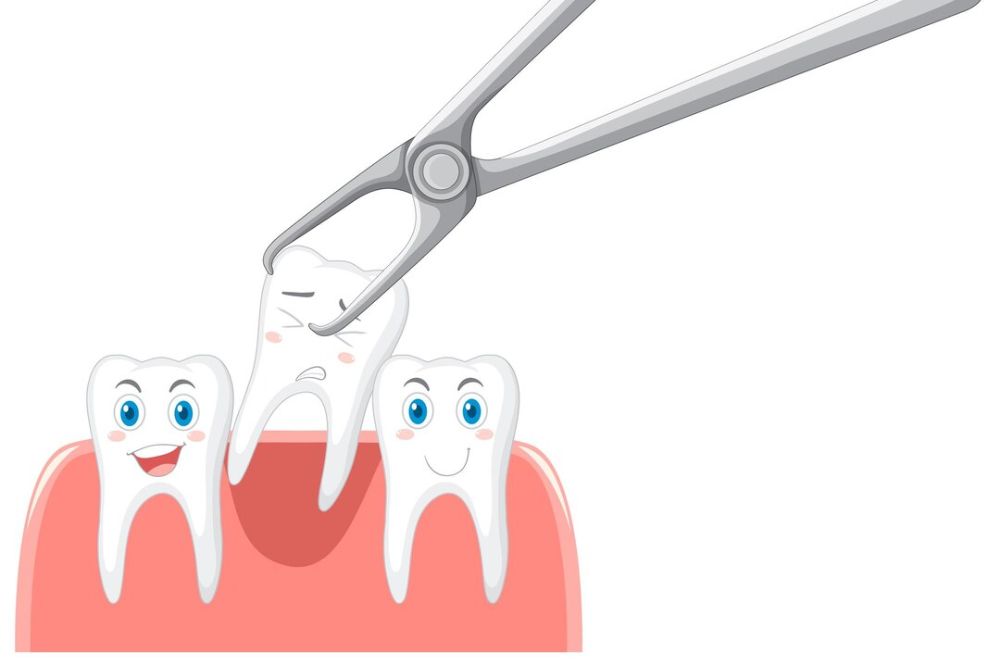
Are your wisdom teeth causing discomfort or making your mouth feel crowded? Knowing the Signs that wisdom teeth need extraction early can save you from prolonged pain and complications. Wisdom teeth, also called third molars, usually appear between the ages of 17 and 25. For some people, they come in without issues, but for others, a tooth extraction in Calgary becomes necessary to prevent misalignment, infections, or jaw discomfort.
Understanding what happens during extraction and why it’s important helps you feel more prepared and less anxious. Recognizing when to visit a dentist in Calgary can keep your smile healthy and comfortable.
Common Signs Your Wisdom Teeth May Need Removal
Several signs are pointing to the possibility of needing a dental extraction:
- Uncomfortable sensation at the back of the mouth: A long-lasting pain in the area of the last molars is a typical indication.
- Swollen gums and/or jaw pain: The swelling is usually caused by pressure or infection.
- Trouble opening your mouth: Impacted teeth can make it hard to open your jaw fully.
- Impaction of other teeth: Wisdom teeth may cause the adjacent ones to lose their proper alignment.
- Infections that keep coming: Red, sore gums and pus may be symptoms of the need for removal.
It’s important to book a dental appointment right away if you notice any of these issues.
How Wisdom Tooth Extraction Near You Works
A gentle wisdom tooth removal is done to reduce pain and keep nearby teeth and gums safe. The steps usually include:
- Check-up and X-rays: A dentist in Calgary looks at your mouth and takes X-rays to see where the tooth is and how the roots are shaped.
- Numbing and Sedation: Local anesthesia, and sometimes light sedation, help you stay comfortable during the procedure.
- Careful Tooth Removal: The dentist carefully removes the tooth with minimal tissue trauma.
- Post-Extraction Care: Instructions for gauze use, soft foods, and oral hygiene support quick healing.
Modern techniques make this process far easier and more comfortable than many people expect.
Benefits of Removing Problematic Wisdom Teeth
There are many benefits of removing problematic wisdom teeth.
- Reduces jaw pain and pressure.
- Prevents infections and gum disease.
- Avoids misalignment of surrounding teeth.
- Supports long-term oral health and hygiene.
- Simplifies future dental care.
Removing teeth early can prevent bigger dental problems and keep your mouth healthier and more comfortable.
Recovery Tips After Wisdom Tooth Removal
Healing is kept on a smooth track if you adhere to these easy instructions:
- Stop bleeding: Bite down gently on the gauze as instructed.
- Decrease the swelling: Apply ice packs to the jaw during the first 24 hours.
- Consume only soft foods: Yogurt, smoothies, and soups are perfect at the beginning.
- Do not use straws and do not smoke: Suction can remove blood clots and thus heal more slowly.
- Ensure oral hygiene: Mild rinsing with salted water is a way of warding off infection.
Recovery will be quicker if these measures are taken, and the risk of complications will also be reduced.
When to See a Dentist Promptly
Contact a dentist near you immediately if you notice.
- Severe or persistent pain.
- Excessive swelling or bleeding.
- Signs of infection, like fever or pus.
Taking immediate action can reduce any possible difficulties and ensure your oral well-being.
Ready to Address Your Wisdom Teeth?
Experiencing pain or noticing signs of wisdom teeth issues? Book a consultation at Heritage Smiles Dental to find out your Tooth Extraction options. By getting a professional assessment, the procedure will be comfortable and gentle and give you a healthy smile for years. Schedule your appointment today to gain a naturally beautiful and confident smile!
📍 Find us easily on the Google map and plan your visit today!
FAQs
Q1.How do I know if my wisdom teeth are impacted?
Impacted wisdom teeth often cause pain, swelling, or limited mouth opening and are confirmed with X-rays.
Q2.Is wisdom tooth removal painful?
With modern anesthesia, a gentle wisdom tooth removal is manageable and keeps discomfort minimal.
Q3.How long does recovery take?
Most patients heal within 5–7 days, with full recovery in about 2 weeks.
Q4.Can I eat normally after extraction?
Soft foods are recommended for the first few days to protect the extraction site.

